Painting Services In Richland, MI
In Richland, MI, Glinka Painting refreshes interiors, cabinets, trim, exteriors, and business spaces with steady hands and careful finish control.
- Home
- Richland, MI
Discover Our Areas
Get In Touch

Expert Painting Work For Homes That Need A Sharper Finish
Some painting projects are not about changing everything. They are about making the parts people notice every day look clean again. The cabinet doors are beside the kitchen island. The trim around bright windows. The hallway walls catch the afternoon light. The front entry is the first impression before anyone steps inside.
That is where Glinka Painting brings a more detailed approach. Our work includes residential and commercial painting, interior and exterior repainting, cabinet refinishing and painting, drywall finishing, deck and wood staining, and power washing when surfaces need cleaning before coating. The focus is simple: better-looking surfaces without rushed, patchy, or heavy-handed paint work.
Local Painting Company Focusing On Parts That Deserve Extra Attention
Not every project needs the same painter’s mindset. A rental repaint, cabinet color change, exterior trim refresh, deck stain, and office wall update all carry different risks. Glinka Painting works as a painting contractor, checking traffic, lighting, surface age, moisture, wood grain, and coating history before the first coat is applied.

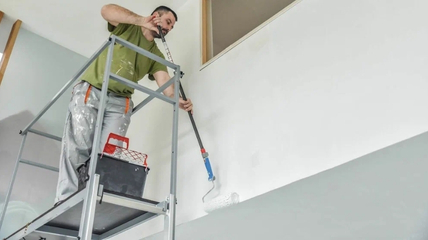
Bright rooms can reveal roller marks, drywall patches, uneven sheen, and rough sanding, while kitchen cabinets are exposed to hands, heat, grease, and cleaning products every day. Crisp trim, clean caulk lines, balanced exterior accents, and targeted painting and staining help Richland spaces feel sharper without treating every surface like it needs the same solution.
Small Details Change Everything
In well-kept Richland homes, paint flaws are easy to notice. A dull cabinet edge, uneven trim line, scuffed door, or faded accent can make the whole room feel tired. Glinka Painting brings professional painting detail to cabinets, interiors, woodwork, and exterior accents so the finish feels deliberate.
- Cabinet Edges Look Refined
- Trim Lines Stay Crisp
- Interior Painting Feels Cleaner
- Wood Accents Regain Depth
- Exterior Details Look Balanced
- Rooms Feel Carefully Finished
Frequently Asked Questions
Richland property owners often ask about the details that affect how paint looks after the crew leaves: light, sheen, cabinet wear, exterior fading, drywall patches, and wood absorption. These answers focus on the practical issues behind strong quality painting workmanship and longer-lasting surface improvements.
Why do some painted rooms look fine at night but uneven during the day?
Natural light exposes wall texture, roller direction, drywall repairs, and sheen differences more clearly than artificial lighting. Rooms with large windows often need better sanding, spot priming, and even application so the paint does not look patchy in daylight.
Why do painted cabinets chip around handles and drawer edges first?
Cabinet edges and handle areas chip first because they get the most hand contact, cleaning, grease exposure, and impact. Proper degreasing, sanding, bonding primer, controlled coating thickness, and cure time help the finish resist early wear.
Can exterior trim be repainted without repainting the entire house?
Exterior trim can often be repainted separately when the siding still looks sound, and the colors work together. Doors, fascia, porch details, shutters, and window trim can refresh curb appeal, but peeling, bare wood, or failing caulk still need prep first.
What causes newly painted drywall repairs to show through the wall color?
Drywall repairs show through when patched areas absorb paint differently or were not sanded and primed correctly. Feathering the repair, matching texture, using primer, and applying consistent finish coats help reduce flashing and visible patch outlines.
How should a commercial space choose paint for high-touch walls?
Commercial walls near counters, halls, doors, waiting areas, and shared workspaces usually need more washable finishes than low-traffic rooms. Paint selection should consider cleaning frequency, scuff resistance, sheen, lighting, and how customers or employees use the space.